

Canary Technologies is a useful example of how hotel AI is moving from simple chat tools toward broader operational AI agents. In 2026, the company is positioning artificial intelligence as a layer for guest communication, reservations, sales, upselling and service automation.
That does not mean hotels are replacing every human interaction. The more realistic model is AI handling repetitive, high-volume tasks while employees manage exceptions, complex requests and relationship-driven service.
What Is Canary Technologies?
Canary Technologies provides hospitality software used by hotels for digital guest journeys, communication, upselling and operational workflows. Its AI products include guest messaging, voice, webchat and hospitality-focused AI agents.
Present: Canary AI in 2026
Canary’s 2026 hospitality research reports that 82% of surveyed hotel technology decision-makers expected AI usage to increase across their organizations within the following year. The company also reported that 71% viewed AI as having a significant or transformative industry impact.
In March 2026, Canary launched a Hospitality AI Agent Studio designed to let hotels configure and deploy specialized AI agents for functions such as front desk, concierge and reservations.
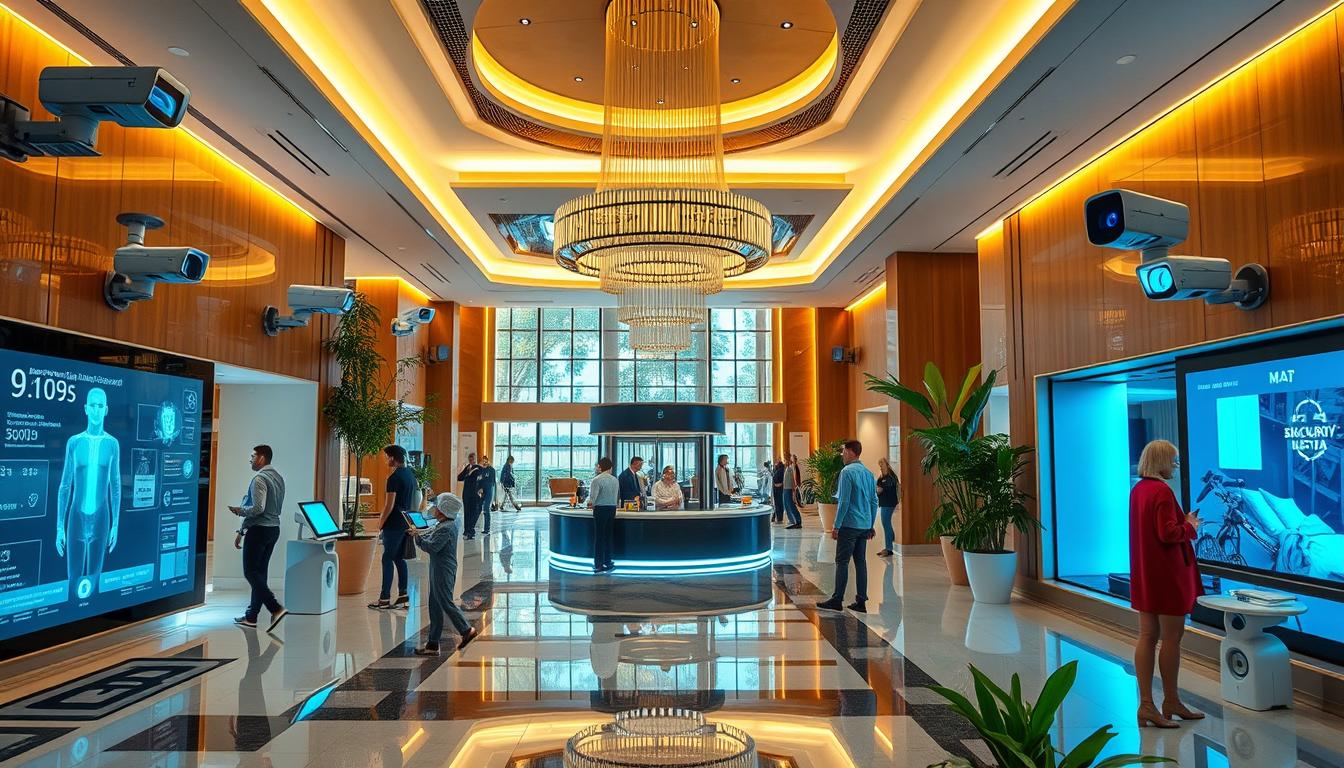
Where Hotels Use AI
- Guest messaging: answering common questions across digital channels.
- Voice: handling routine front-desk and reservation inquiries.
- Webchat: assisting potential guests before and during booking.
- Upselling: identifying opportunities for upgrades and add-on services.
- Sales workflows: supporting group and event inquiries.
- Operational assistance: reducing repetitive staff workload.
What AI Can and Cannot Replace
Hospitality is a high-touch service industry. AI can handle repetitive requests and provide fast responses, but complex complaints, accessibility needs, safety issues, sensitive guest situations and high-value interactions still benefit from human judgment.
The strongest operating model is therefore not “AI instead of staff.” It is AI handling routine volume while employees focus on situations where empathy, authority or judgment matters.

Past: From Contactless Tools to AI Agents
Hotel technology accelerated during the contactless-service era, when digital check-in, messaging and mobile guest experiences became more important. Those systems created the communication channels and workflow data that newer AI tools now use.
The market is shifting from scripted automation toward systems that can understand requests, use context and perform multi-step workflows.
How Hotels Should Implement AI Safely
A hotel should begin with a narrow workflow where volume is high and the rules are clear. Common guest questions are a better starting point than sensitive complaints or decisions involving refunds, security or personal data.
- Define the job: specify exactly what the AI is allowed to answer or change.
- Connect only required data: limit access to the systems needed for the task.
- Create escalation rules: identify situations that must transfer to staff.
- Review conversations: audit accuracy, tone and failure patterns.
- Measure outcomes: track resolution time, conversion, guest satisfaction and handoff rate.
- Protect privacy: minimize exposure of personal and payment information.
These controls connect directly with the wider debate about AI governance and independent oversight.
Future: Hospitality AI Becomes More Agentic
The next phase is likely to involve agents that coordinate across reservations, messaging, hotel operations and sales systems. A guest may ask one question and trigger several connected steps, such as checking availability, updating a request and notifying staff.
That makes integration quality, permissions, audit logs and human handoff more important than the conversational interface alone.
Questions Hotels Should Ask Before Adopting AI
- Which guest interactions are repetitive enough to automate?
- When must the system hand off to a person?
- Which hotel systems and data sources will the AI access?
- How are privacy and security handled?
- How will performance be measured?
- Can staff review conversations and override the system?
Sources
See Canary Technologies’ 2026 hotel AI research and its Hospitality AI Agent Studio materials for current product and adoption context.
Bottom Line
Canary Technologies shows how hospitality AI is moving from isolated chat tools toward operational agents. The opportunity is meaningful, but the best deployments will combine automation with clear permissions, privacy controls, measurable outcomes and reliable human handoff.